The city is the opportunity.
Dark store automation that stores, picks and bags orders inside the building you already have. For dark stores, micro-fulfilment centres and store-attached hubs.
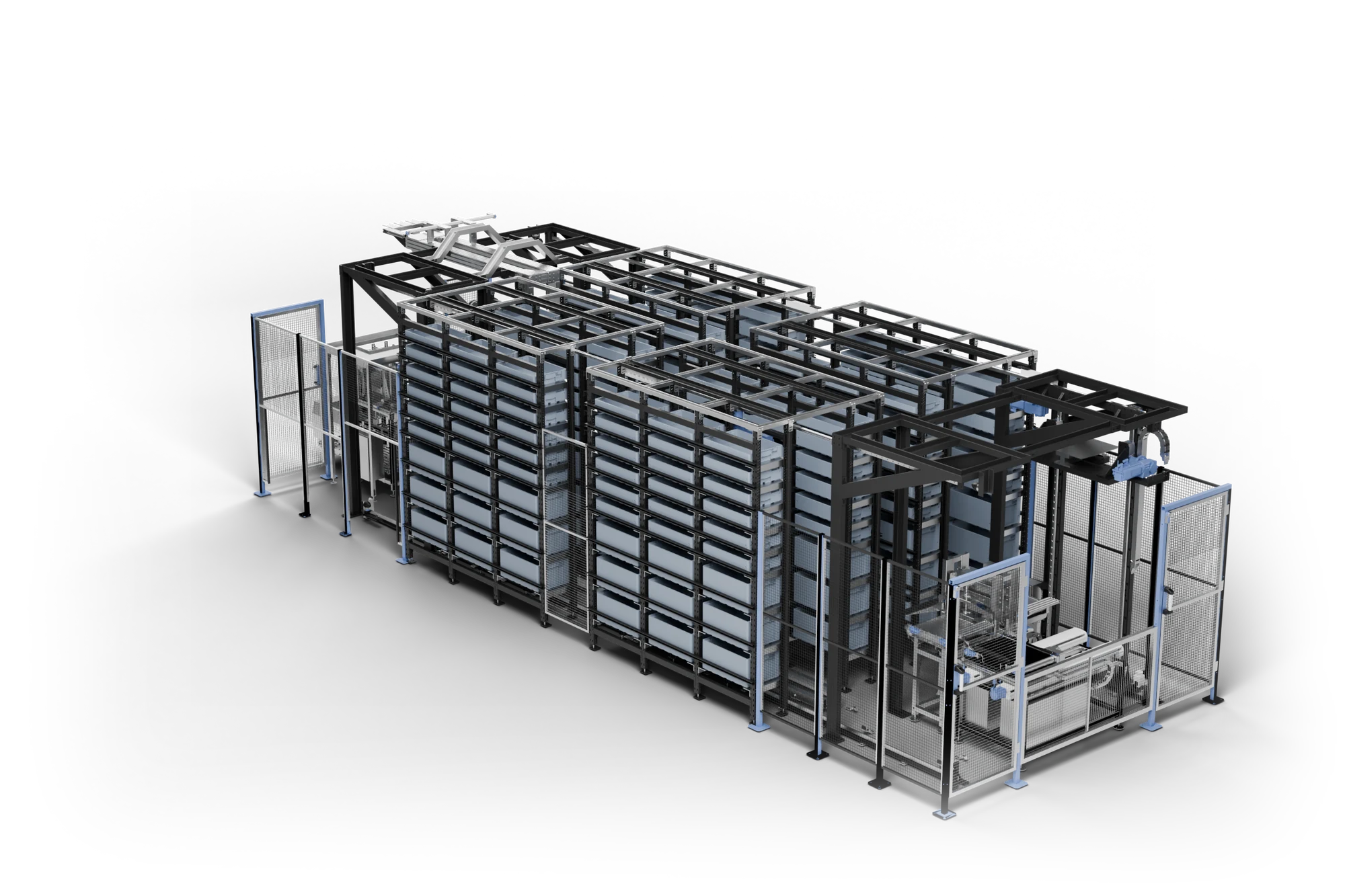
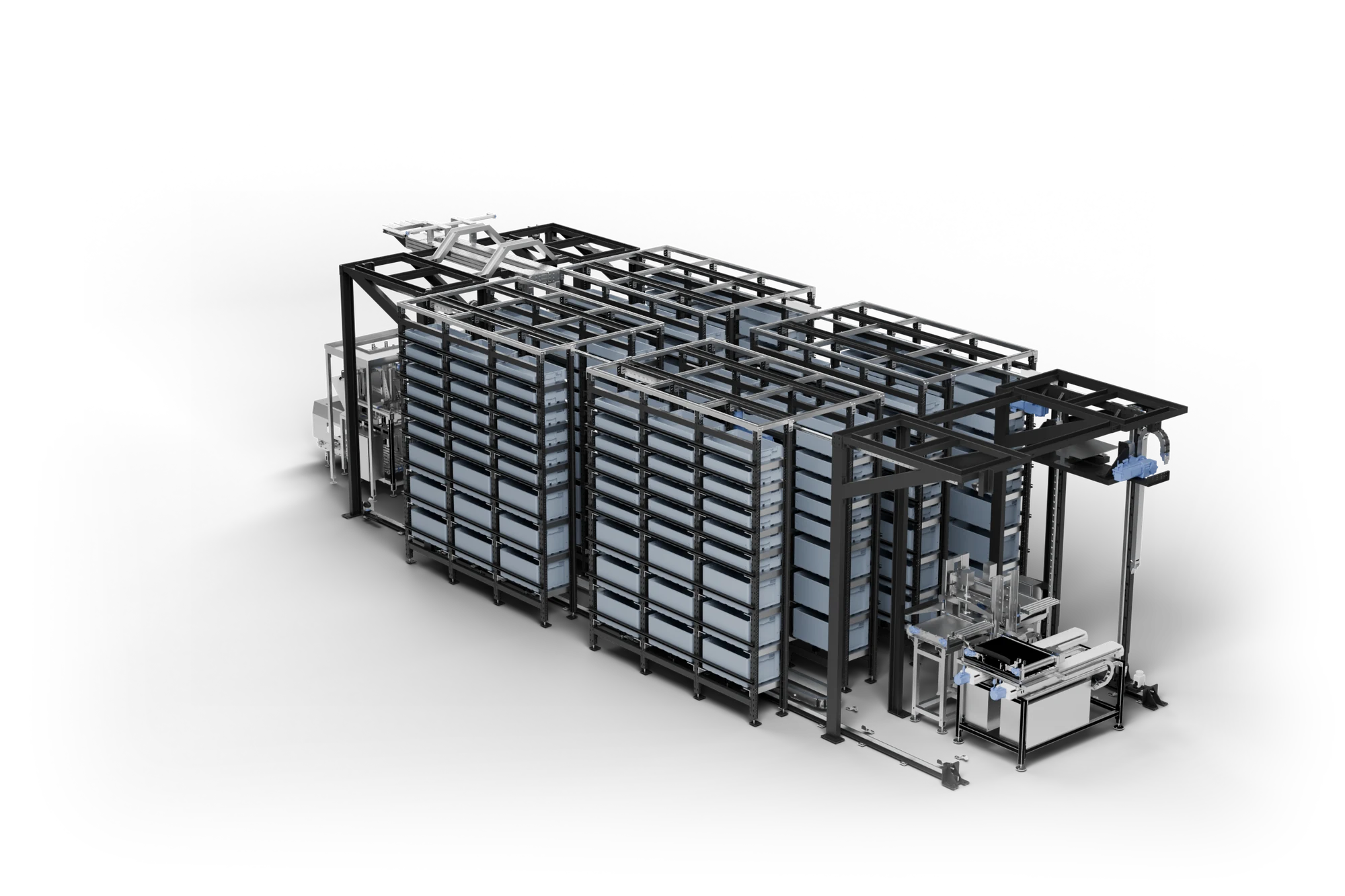
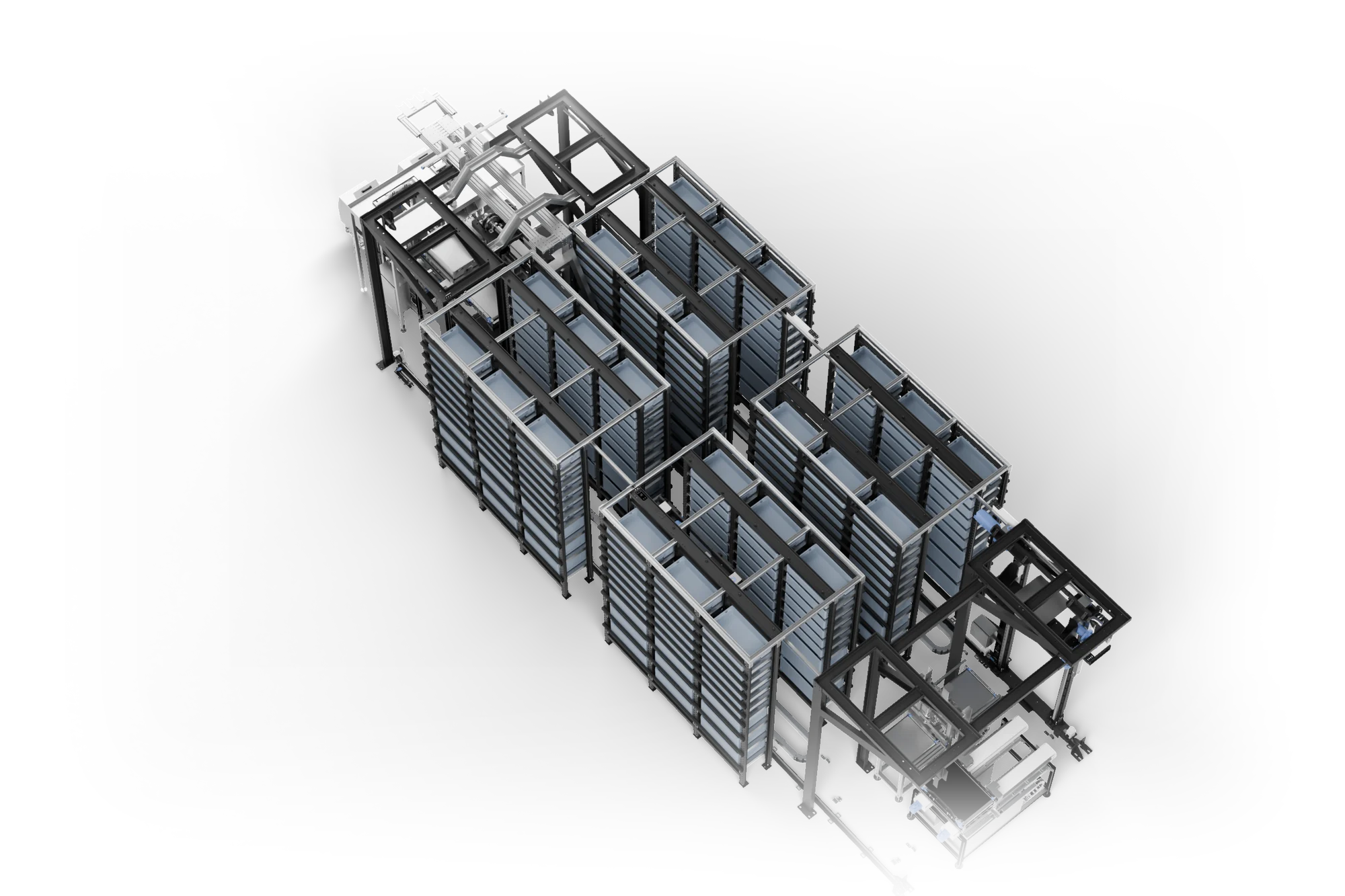
Eleven metres long. Under four wide.
From outside: a fenced block of racks with a door at each end, three metres high.
Inside: two aisles of totes, a rack robot in each, and picking and bagging at one end.
Four things push the same way.
Promise time
Picking and riding time share one delivery promise. Every minute saved at the shelf goes back to the rider.
Rent
City floor space is expensive. Aisles wide enough for trolleys cost as much per metre as the stock beside them.
The evening peak
Demand peaks at dinner time. The unit is sized for the peak and keeps the same pace all evening
Rollout
One working site is a start. The tenth should open just as smoothly, without starting from scratch.
Three shapes. The same unit in each.
- 01
Dark store
A store with no shoppers in it. The unit takes the part of the range that repeats all day; people restock it, add the awkward items and hand the bags to riders.
- 02
Micro-fulfilment centre
Fulfilment in the back of a building that does something else at the front. Nobody walks between shelves, so the room can be smaller still.
- 03
Store-attached hub
Built onto a store you already run, sharing its stock and deliveries. Online picking moves off the shop floor, so walk-in customers shop without distractions.
Four things from the site.
A range that repeats
A few hundred fast-moving items that appear in most orders.
A room, not a warehouse
Space behind a shop, under an office or in a car park, with power.
A way in and a way out
A door for delivery cages and a pick-up point for riders.
An order feed
Orders from your app or order system, sent straight to the unit.
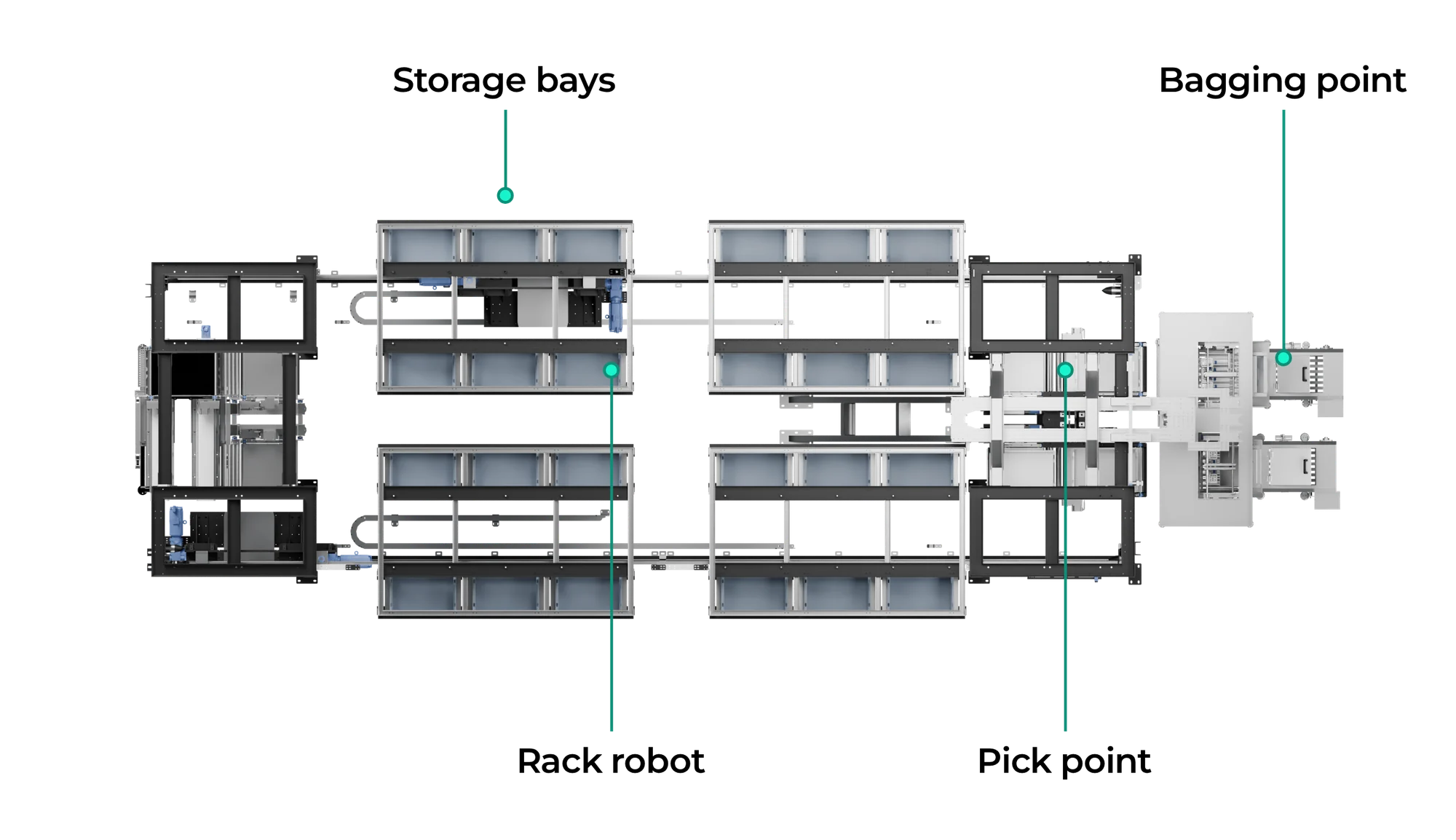
Sized to the available space, not the other way round.
Storage bays. Ambient only, or ambient with chilled and frozen. The number of bays follows the space and the range.
A retrieval robot. One per aisle. It fetches totes for the arm and puts each back in its own place.
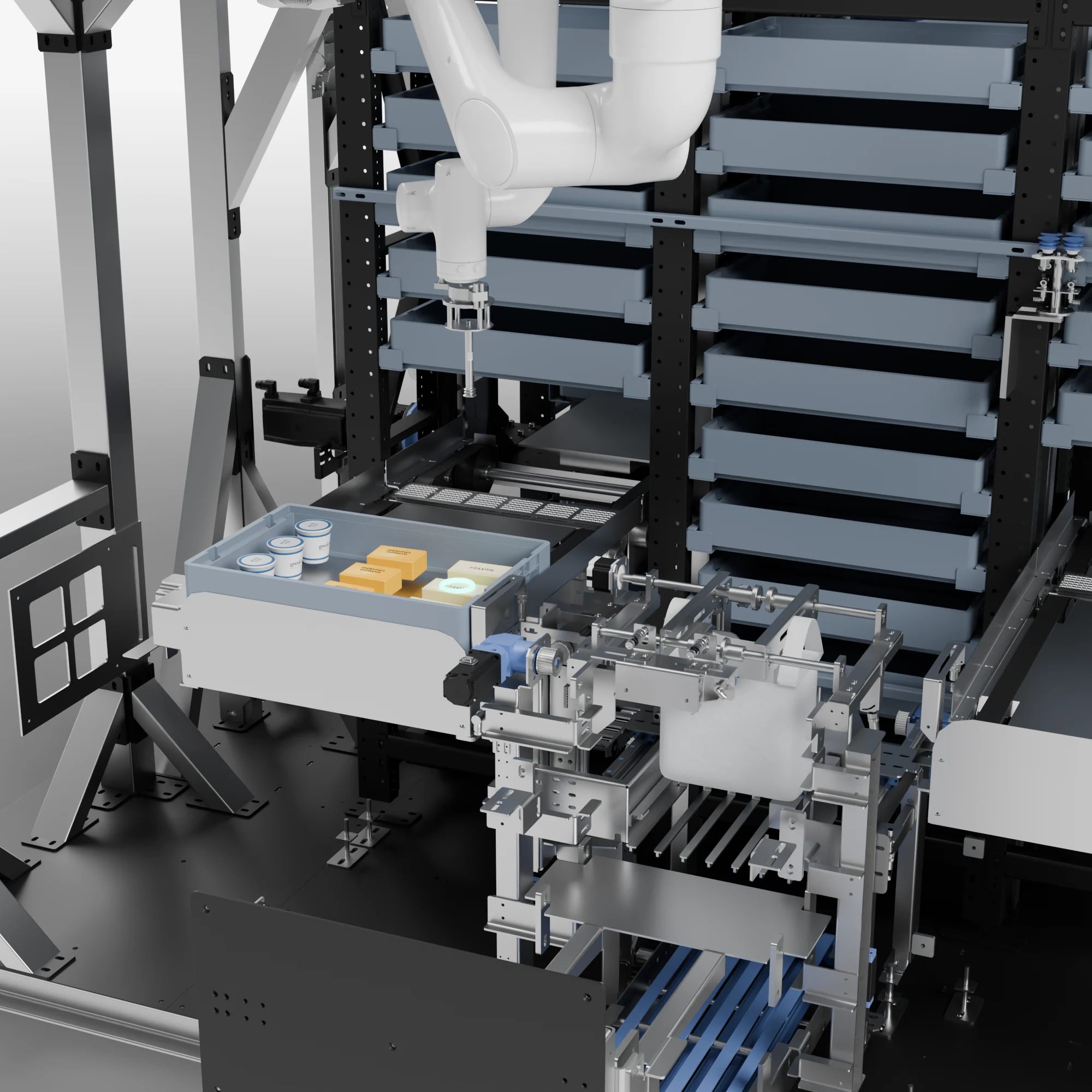
A pick point. A 3D camera finds the item, and an arm with a suction cup lifts it out of the tote.
A bagging point. The bag is opened, filled, closed and labelled, so there is no packing bench to find room for.
Bulky packs, glass and loose produce stay on a shelf beside the unit and are added by hand.
What it's built to do.
- order picking, day and night
- 24/7
- less floor space for the same range
- Up to40%
- the throughput of picking by hand
- Up to2.5×
- temperature zones in one unit: ambient, chilled and frozen
- 3
Design targets, not guarantees. The figures for your site depend on the range, the volumes and the configuration, and we model them with you during planning.
Seven in the evening, without a second shift.
Goods to bag. The arm picks from the tote straight into the bag. Nothing is handed to a person to finish.
A plan per order. Each order is planned the moment it lands, against the stock that is actually in the rack.
One visit per tote. The plan takes everything an order needs from a tote in one visit. A tote that is needed again soon stays at the station.
No empty trips. The rack robot pairs each tote it returns with the next one it fetches.
The second site is the first one again.
- 01
Same modules
Every site is built from the same storage, picking and replenishment modules. Only the count changes.
- 02
One view
Totssy Connect shows stock and orders across every unit, and talks to the systems you already run.
- 03
Grow in place
When a postcode gets busier, add bays. The machine you start with is not the machine you're stuck with.
Four months in a q-commerce dark store.
How long an order took, and how often it ran without help.
Read the case study